





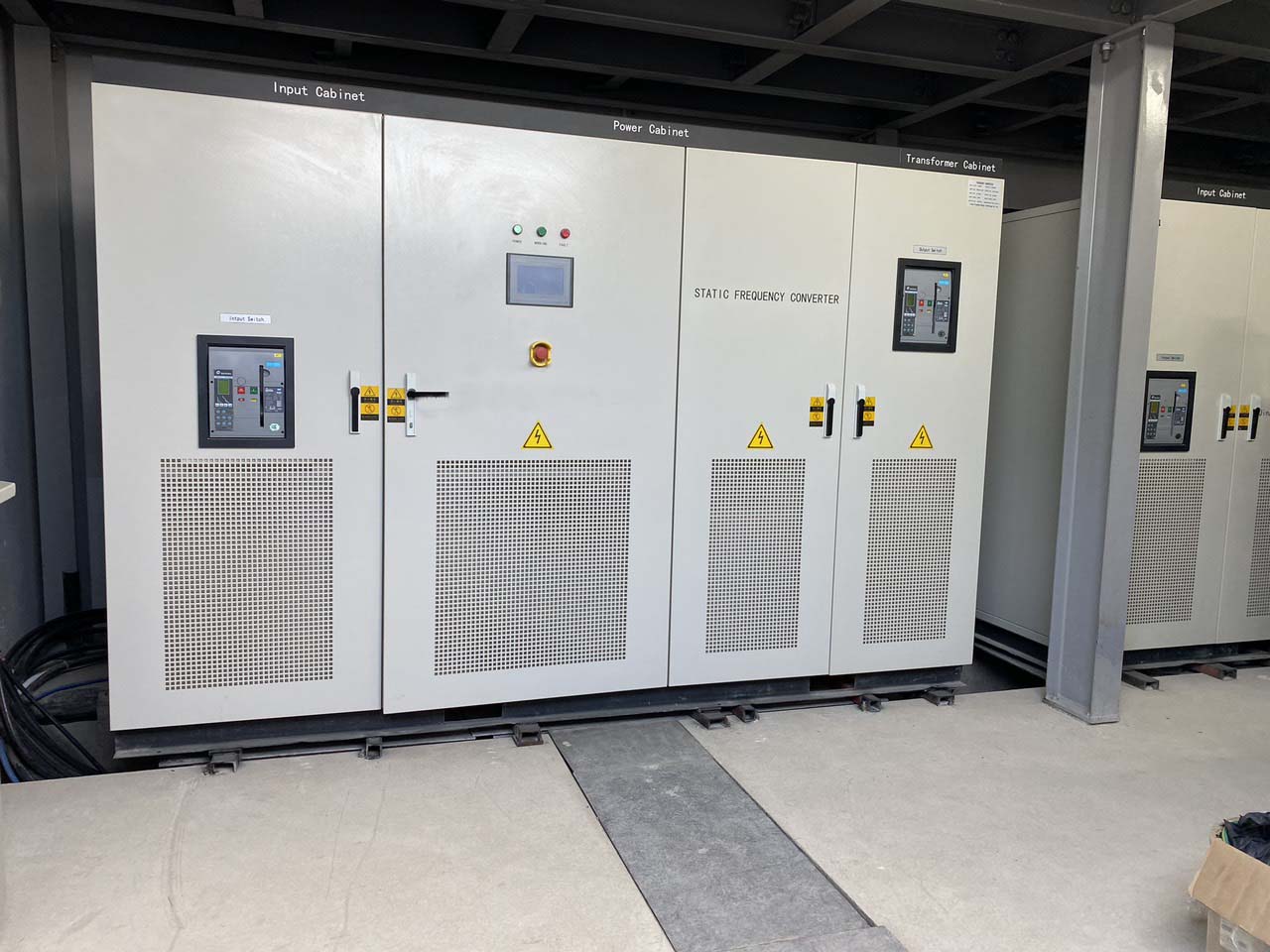
UPS Online is? Let's find out about them together
, you don't hear the familiar beeping sounds, the screen is pitch dark "just like one's own future". In short, there is nothing at all
This is not a rare problem. Quite a few people have had their PCs damaged by sudden power outages (not to mention having the Motherboard, CPU, GPU, and Network Card completely burned out by a lightning strike)
====> Let's learn about the harmful effects and how to prevent them right now
Perhaps the worst of all damages is data loss. You might get scolded by your boss or even have your salary cut. You can replace hardware and reinstall software for a sum of money. BUT once data is lost, using recovery programs may not work (because of the power outage), so usually you will have to redo the work, even from the very beginning. Especially if you have the bad habit of not backing up your data at all.
===> To save time and money, the advice is to get one Riello UPS
UPS stands for Uninterruptible Power Supply. Roughly translated, it means a continuous power supply, but it also has some additional functions such as surge protection (similar to a voltage stabilizer). In tropical monsoon regions (where storms are frequent along with lightning), or in areas with unstable power, you either need to spend extra money or cut back on other unnecessary things to buy a UPS.
Of course, which system you choose depends on your needs, the power quality in your area, the stability of your equipment's power supply, and the level of urgency your work requires.
For a home PC system or a computer for a small office / home office (SOHO), a single UPS with noise-filtering capability and a few minutes of backup power is enough for you to save your work and shut down in time. For large companies and enterprises, there is no question about it — a system is required UPS extremely sophisticated.
History:
By the end of the 20th century, the power supply reliability of developed industrial countries was about 99.9%, corresponding to an annual power outage time of about 8 hours, mostly occurring as outages lasting a few minutes. This was not a problem for lighting systems or electromechanical systems, i.e. with analog technology, power quality only included two of the most important criteria: voltage and frequency.
But for digital systems, the issue is not so simple. In particular, devices in the information technology field that apply digital technology are always considered an important stepping stone for increasing product output, reducing production costs, and creating sustainable stability for society.
The reliability of power supply for computer-based systems must be significantly increased, because even a power outage of just a few milliseconds risks the total loss of information or disruption of computer data exchange, requiring digital systems to restart.
Electrical incidents:
SOHO and most other electronic devices require stable power to operate well and extend their service life. The following issues can cause damage to SOHO systems, but can also easily be prevented with a UPS:
Brownout(voltage sag)
These are brief voltage sags that leave the computer without enough power to operate properly. A sag can be as minor as the mouse not responding or the keyboard not registering keystrokes ===> all the way to the system freezing (system halt), or worst of all, data loss. They shorten the lifespan and efficiency of the components inside a PC.
Blankout(power outage)
Simply put, you lose all the information in RAM and cache. More dangerously, it can damage the FAT (File Allocation Table) of the hard drive. Fortunately, NTFS should be fine (at least according to Microsoft's claims)
Spikes (skipe) and surges (surge)
These are cases where the voltage rises too high! A power surge is a type of sudden and excessive voltage increase, which will kill the hard drive + CPU + GPU + etc...
A power surge is even faster, only about 1% of a second. For something like a water pump or a hair dryer it's not a big deal…..but for 65nm or 45nm chips, that's enough to fry a few gates, or gradually..reduce the component lifespan of the machine.
Electrical noise
This is difficult to detect because measuring equipment is required
Consists of two types: Electro-Magnetic Interference (EMI) and Radio Frequency Interference (RFI). These two types have quite a few causes, such as generators, lightning, thunder, or worse, a house located near a radio transmission station. In general, this is not dangerous, it only causes minor errors, e.g., while using software, a calculation error makes it show “not responding….”.
Functions
Power backup, surge protection, power conditioning
Power backup: A UPS contains one or two batteries... to supply power to your computer during a power outage. Of course, in that short period of time (3-4 minutes, just enough for you to save your work and shut down the machine properly)
Surge protection: metal-oxide is used for this job. It fails after a few years
Regulation: to regulate the output power so it is free of noise.
How does a UPS operate
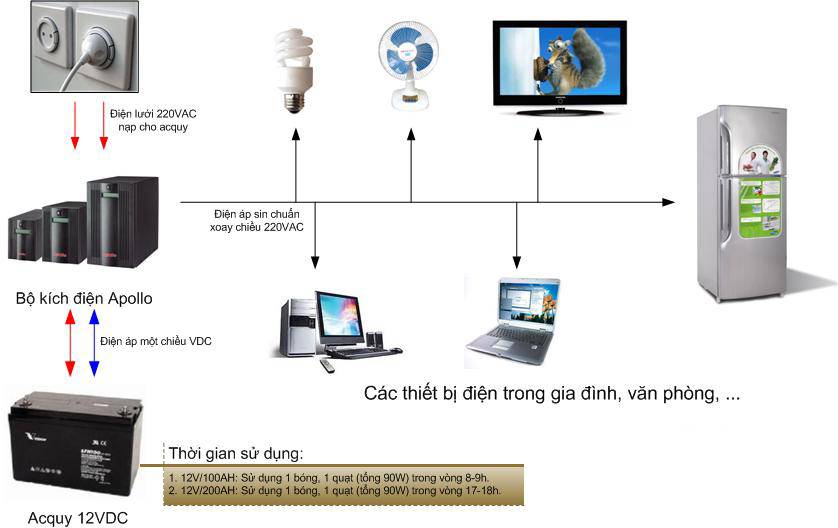
UPS systems work by detecting voltage drops from the power lines and boosting the supply to maintain a continuous flow of electricity to the connected equipment. The power boost is performed either by a converter that boosts a low current flow, or by an internal battery that replaces the normal power supply in the event of a fault.
There are 3 main types of UPS: online, standby (also known as offline), and line-interactive.
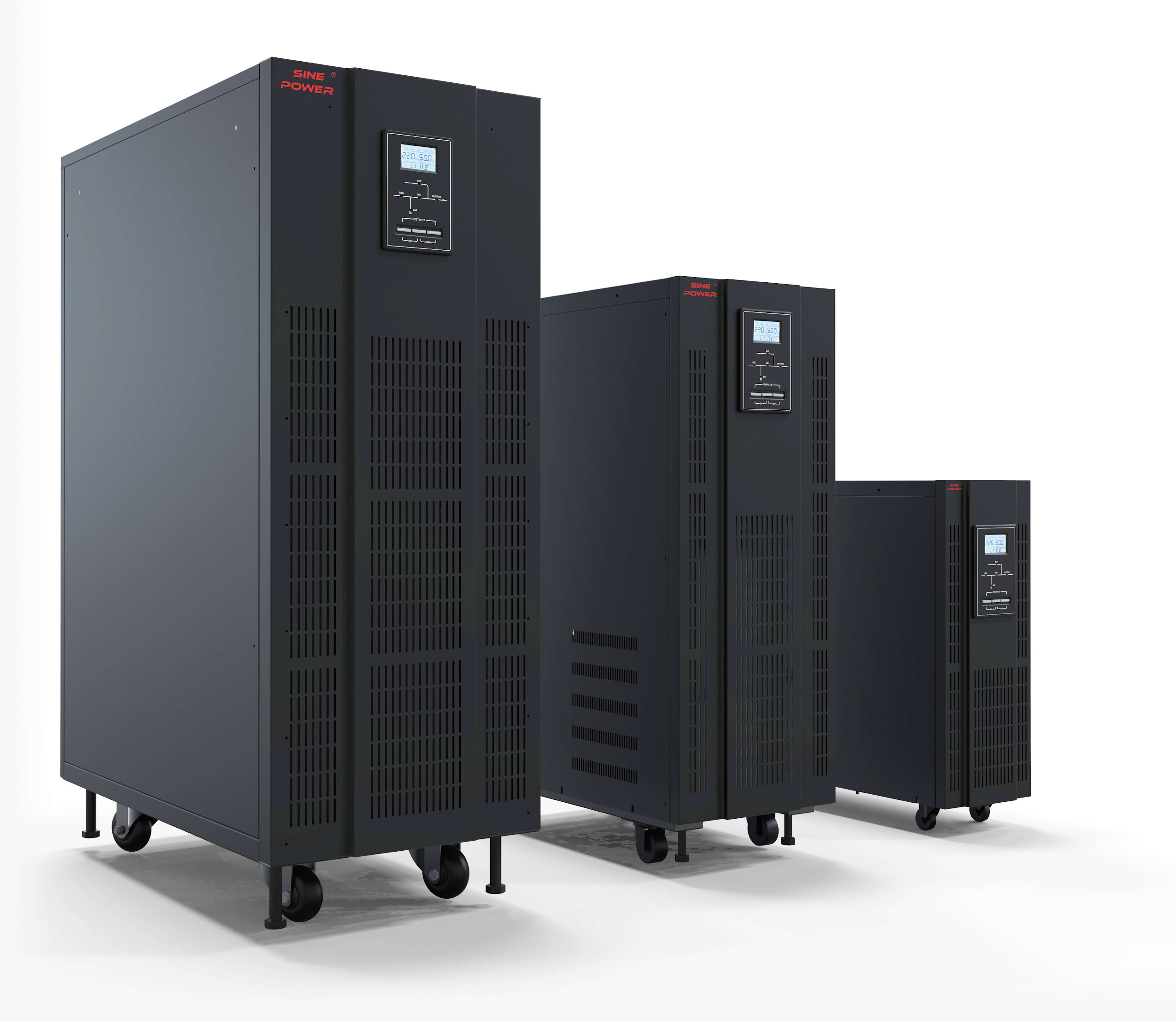
Online UPS continuously supplies power to connected devices from an internal battery that is charged on an ongoing basis. There is no delay when a power failure occurs, so this type of UPS acts as the main power source for the device. By continuously powering a PC from a battery, online UPS allows for maximum power protection, and the PC will not experience a rapid loss of power during a power outage. However, due to continuous use, the battery life of this UPS is very short. Online UPS is always available in capacities of 500VA and above.
Standby UPS units only connect the battery to the PC during a power outage. There will be a short delay before the internal battery comes online. However, this delay must be very short to prevent the computer from shutting down abruptly. Standby UPS units have longer battery life and are cheaper. A typical standby UPS has a capacity of up to about 500VA, so standby UPS units are usually suitable for just one computer and one monitor.
Line-interactive UPS is a type that integrates online and standby UPS technology. It has all the characteristics of a standby UPS with an internal line feature known as Automatic Voltage Regulation (AVR), which cleans the dirty power running through the lines in use.
A slight drop in power supply can cause a computer to freeze or shut down suddenly, causing work interruptions, data loss, and wasted time. Therefore, line-interactive UPS systems have an additional converter to minimize the need to use an internal battery for any power fluctuations. This type of line-interactive UPS reduces the line voltage at all times, activating the power converter when the voltage drops below certain parameters. The battery is also activated when low voltages are recorded. A line-interactive UPS has a capacity ranging from 500VA to 5000VA.
Nowadays, most computer UPS units use standby and line-interactive technology, rarely using online technology, due to costs in both selling price and total cost of ownership.
However, online UPS systems provide maximum protection since they operate continuously. The additional cost of these systems can also be significant, as critical equipment must not be allowed to shut down abruptly. Therefore, this type of UPS is usually recommended for critical applications such as telephone systems or a server.
For small and medium-sized businesses that want to protect individual computers or fax machines from sudden shutdowns due to power loss or simple voltage drops, standby or line-interactive UPS units are an effective solution.
Choose one UPS:
The power requirements of the equipment will determine the amount of backup power needed. A UPS with a capacity at least 25% greater than the total power requirement of the connected equipment is the recommended solution. For example, a desktop computer operating between 180VA and 280VA should be equipped with a 300VA UPS.
UPS units are rated in Watts; a good battery can fail before it leaks. However, UPS units are marketed using a VA (volt-amps) rating. But some UPS units do not clearly state a power rating on the casing. This is because the VA rating is larger and cruder. As a rule of thumb, choose a power consumption equal to half the VA rating listed on the UPS.