





UPS Line-interactive vs UPS Online vs UPS Offline: working principle
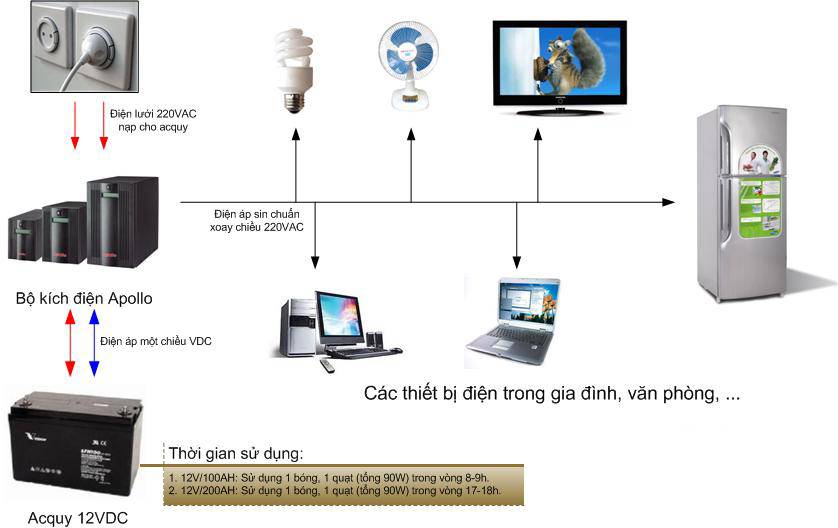
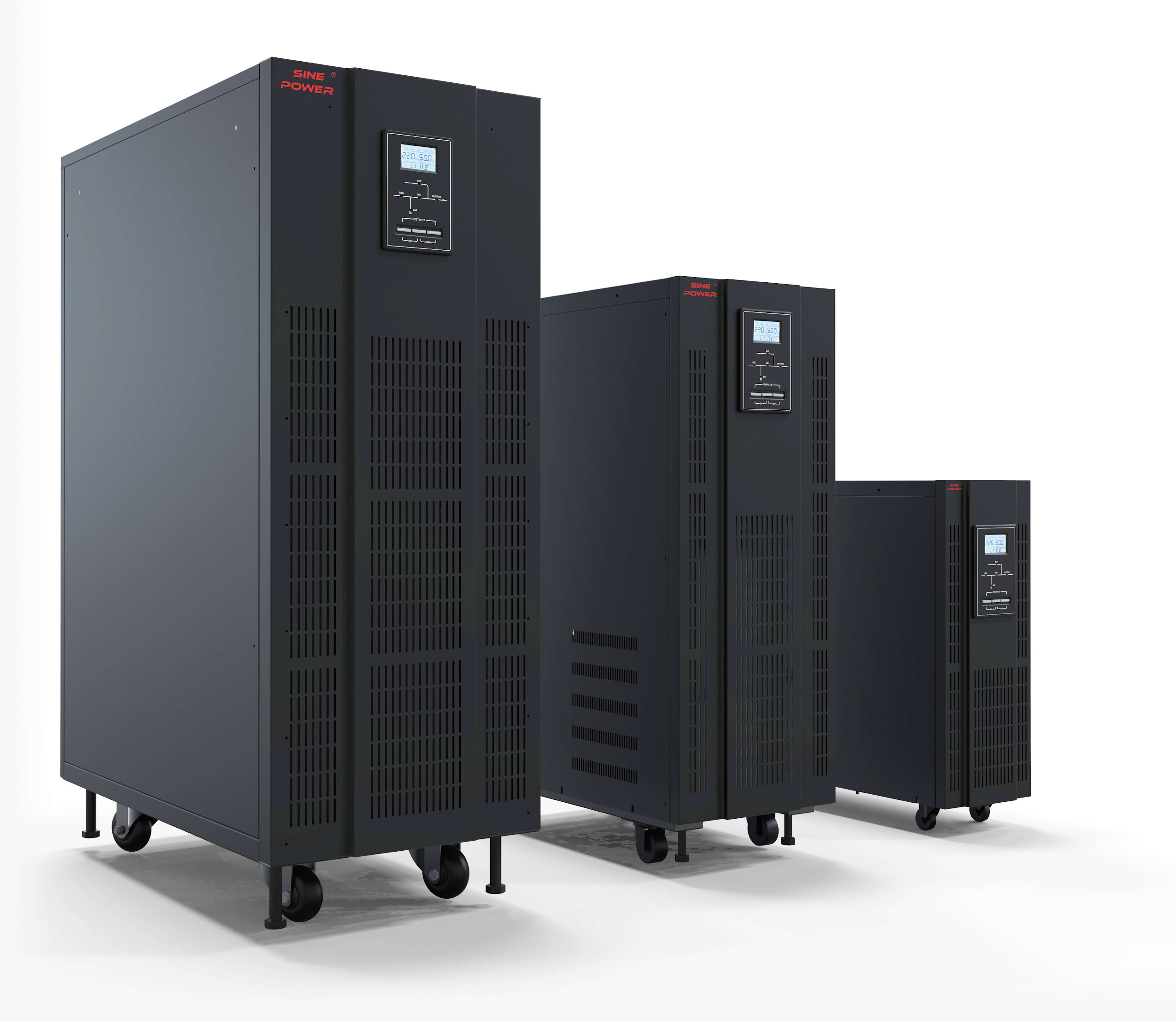
UPS: An Uninterruptible Power Supply is a backup power storage device that continuously supplies power to electrical devices in the event of a grid power failure or unstable voltage with sudden increases or decreases… The UPS will maintain the power supply for a period corresponding to its designed capacity so that the equipment can continue to operate stably until it is properly shut down or the generator starts operating. This helps users avoid equipment damage and promptly save important data. There are currently three main types of UPS: Line-interactive UPS vs Online UPS vs Offline UPS, which will be clearly illustrated in the following section.
Offline UPS – Protecting the input power supply
In an offline UPS system: when the mains power supply is normal, the load is powered directly from the mains, and the backup power circuit only supplies the load when the mains power is lost.
Specifically, the load is supplied directly from the mains power rather than from the UPS output (after the DC/AC converter). It consists of the main components: the energy storage section (battery), the battery charger, and the offline DC-AC converter used when mains power is available.
Although the battery charger remains connected to the mains power to ensure the battery is always fully charged, when the mains voltage falls below or exceeds the limit, the switching unit will immediately, or with a delay of a few milliseconds, disconnect the mains and switch to the rectified power source to connect the output to the load.
For offline UPS units: the UPS output usually does not have an output voltage stabilization function, and the switching time has a delay of about 10ms

UPS Line-interactive—Intermediate power supply protection
To overcome the disadvantages of Offline UPS, the Line-Interactive technology Offline UPS integrates more features into its operating principle, so it costs more than a standard Offline UPS.
The operating principle of Line Interactive technology Offline UPS is similar to the standard Offline UPS, but with an additional voltage regulation circuit to keep the output voltage supplied to the load stable. When the grid voltage is too high or too low, in the Line Interactive technology Offline UPS, the voltage regulation circuit automatically switches to another tap so that the output voltage remains correct for the required load.
In this smart design, the converter that changes battery power to AC power is always connected to the UPS output. When the input AC power is normal, the UPS's DC/AC converter operates in reverse and supplies power to charge the battery. When the input power fails, the transfer switch opens and power is transmitted from the battery to the UPS output. This design provides additional filtering capability and helps reduce switching transients because the inverter is always on and connected to the output.

Online UPS—Optimal power protection
Completely overcomes the drawbacks of the Offline UPS line. The Online UPS line with Online Double Conversion technology eliminates power grid issues because the input voltage is always regulated before being supplied to the load. The grid power does not supply the equipment directly but is converted into direct current to charge the battery and the DC/AC inverter. The inverter then converts the received direct current into an output voltage suitable for the equipment used. Thus, it can be seen that whenever any incident occurs on the power grid, your equipment always remains safe.
In an online UPS (also known as double conversion), the AC input charges the backup battery, which supplies power to the output inverter; therefore, a failure of the input AC current will not trigger the transfer switch. This means that if a power outage occurs, the rectifier drops out of the circuit and the battery maintains a stable, unchanging power supply. There is no transfer time during the outage. When power returns, the rectifier resumes carrying most of the load and starts charging the battery, although the charging current may be limited to prevent the high-power rectifier from overheating the battery and boiling the electrolyte.

UPS Line-interactive vs UPS Online vs UPS Offline: functions
All three types mentioned above are designed to protect hardware and electrical equipment in the event of an unexpected power outage. However, due to their different operating principles, their ability to protect the power source and electrical equipment varies.
Reinforcement/Noise reduction
All three UPS systems feature surge suppression and line noise filtering to protect equipment from damage caused by lightning, voltage surges, and electromagnetic interference (EMI/RFI). In particular, online UPS systems provide superior protection thanks to double-conversion operation, which isolates equipment from AC power line faults.
Battery transfer time
When a power outage occurs, the battery switchover time varies among different UPS systems:
Power loss to the load, usually from 2 to 10 milliseconds, is unavoidable in offline UPS systems.
Line-interactive UPS systems typically switch from mains power to battery power within 2 to 4 milliseconds, fast enough to keep even the most power-sensitive equipment running without interruption.
Online UPS systems have almost no transfer delay between the grid power source and the backup battery source, because the inverter continuously supplies power to the load when a power outage occurs.
Voltage adjustment
Voltage regulation is very important, especially under low voltage conditions:
Offline-interactive UPS systems use an automatic voltage regulator (AVR) circuit to correct abnormal voltage without switching to the battery. When the mains voltage is too high or too low, this type of UPS detects it and the automatic voltage regulator circuit adjusts the output voltage to ensure the correct load as required.
Online UPS systems apply a more precise voltage regulation method: continuous "double-conversion" operation, isolating the connected equipment from AC power disturbances, including power outages, blackouts, overvoltage, harmonic distortion, power surges, and frequency variation.
When not operating on battery, line-interactive UPS systems typically regulate their output within ±8-15% of the nominal voltage (e.g., 120V, 208V, 230V, or 240V), while online UPS systems typically regulate voltage within ±2-3%.
In reality, there are several common electrical faults that can occur during daily operation. The table below shows whether the UPS systems mentioned above protect against these faults:
|
|
Offline |
Interactive |
Online |
|
Power outage |
√ |
√ |
√ |
|
Weak power supply |
√ |
√ |
√ |
|
Power surge |
√ |
√ |
√ |
|
Low voltage |
|
√ |
√ |
|
Overvoltage |
|
√ |
√ |
|
Noise power line |
|
|
√ |
|
Frequency conversion |
|
|
√ |
|
Temporary switching |
|
|
√ |
|
Harmonic distortion |
|
|
√ |
Advantages and disadvantages of 3 types of UPS
UPS offline
|
Advantages |
Limitations |
|
|
UPS line interactive
|
Advantages |
Limitations |
|
|
UPS online
|
Advantages |
Limitations |
|
|
Applications of 3 types of UPS
Due to their economical nature and higher energy efficiency, offline UPS units are most commonly used for households and small offices with low power budget designs, as well as in some fields with relatively low power quality requirements. They offer the best value for personal computers and are also suitable for printers, scanners, emergency power supplies, and EPABX.
A more popular choice, line-interactive UPS meets the demand for high power reliability, ideal for home computer systems and small to medium-sized businesses. In some areas with difficult infrastructure, where the AC line voltage is unstable, fluctuates heavily, or is highly distorted, a line-interactive UPS may need to charge its battery once or twice a day or even more often.
The smartest online UPS systems are considered the default solution for providing backup power and protection for critical equipment and servers in data centers. They can also be applied in fields such as computing, transportation, banking, securities, and telecommunications, where long-duration power supply is required - specifically for certain induction motor drives and similar motor control applications, intensive care equipment, medical devices, and sensitive electrical equipment.
Which UPS should you choose?
The table below summarizes some key points analyzed among the three types of UPS:
|
|
Offline |
Line interactive |
Online |
|
Dimensions |
Compact and lightweight |
Big and heavy |
Small and lightweight |
|
Actual power range (kVA) |
0-0,5 |
0,5-5 |
5-5000 |
|
Voltage regulation |
Low |
Depends on design |
Cao |
|
Cost per VA |
Low |
Average |
Average |
|
Efficiency |
Cao (95-98%) |
Cao (90-96%) |
Low-medium (80-90%) |
|
Price |
Low |
Average |
Cao |
|
Application fields |
Homes, small offices |
Small and medium enterprises |
Telecommunications; Media; Banking; Transportation; Industrial environments |
When considering a UPS solution, pay attention to the UPS type and its corresponding level of protection. The main difference between online and offline UPS versus line-interactive UPS lies in their working principle. This is reflected in the diversity of their features, functions, benefits, and limitations. Furthermore, the internal topology design of the UPS has a greater influence on how it will perform in different application environments.
LISATECH currently distributes online, offline, and line-interactive UPS types with good quality and reasonable prices. Please refer to the product information here.
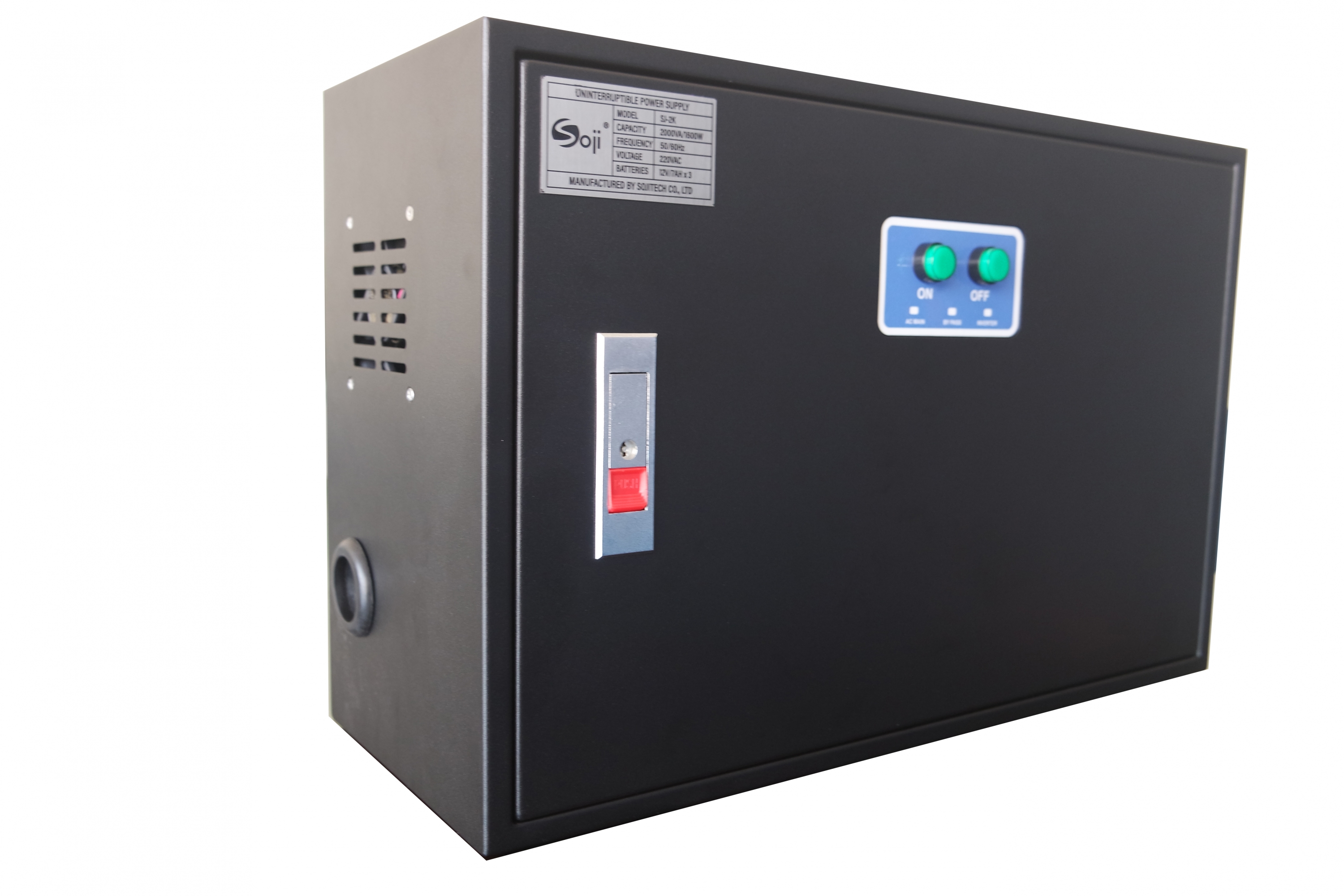
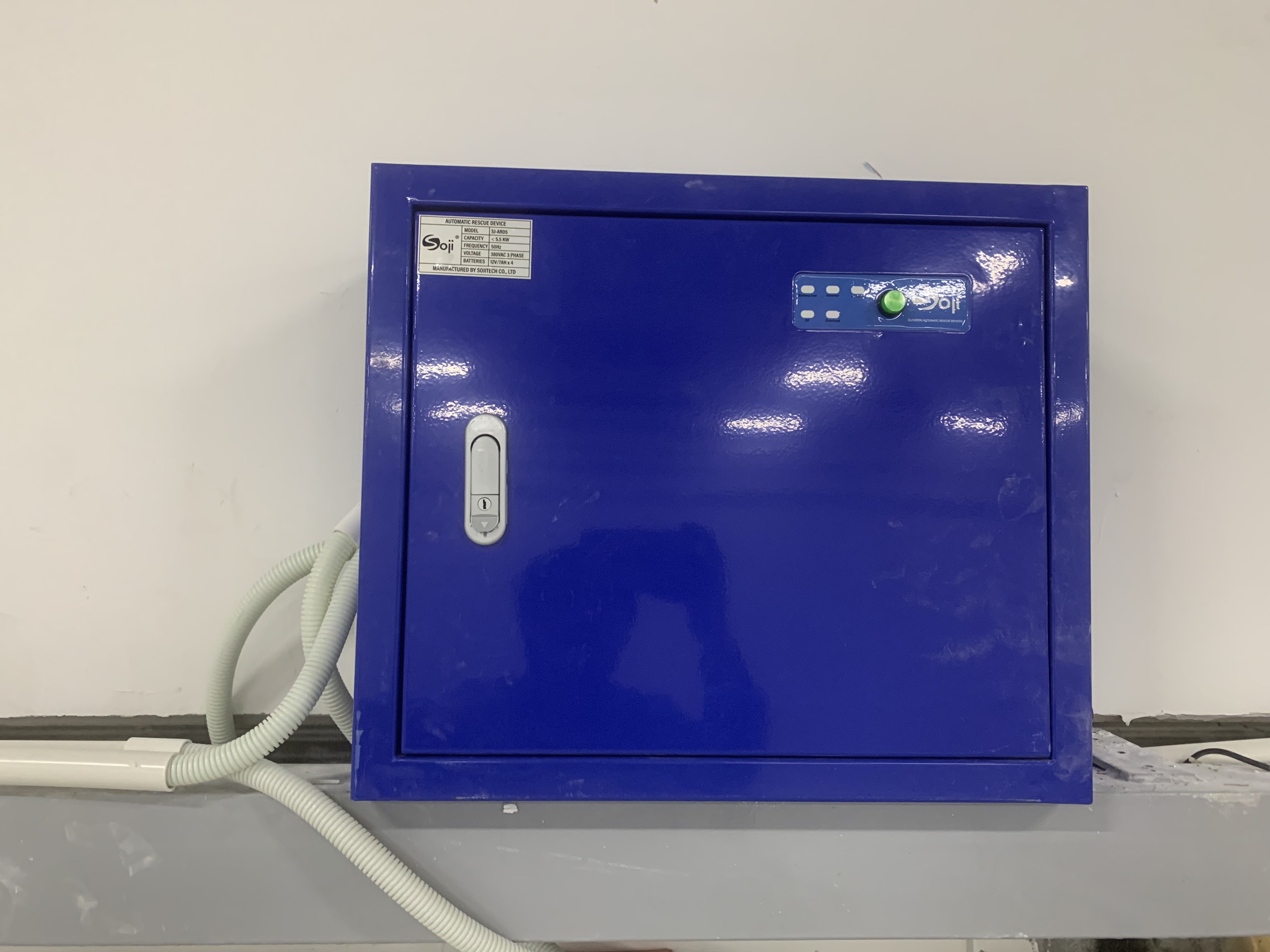
SOJI single-phase elevator rescue device manufactured in Vietnam
Tel/Fax: +84 24 7309 9997
Address (Office): No. 10 LK10, Ha Tri Service Land Area, Ha Cau Ward, Ha Dong District, Hanoi City
Website: www.lisatech.vn