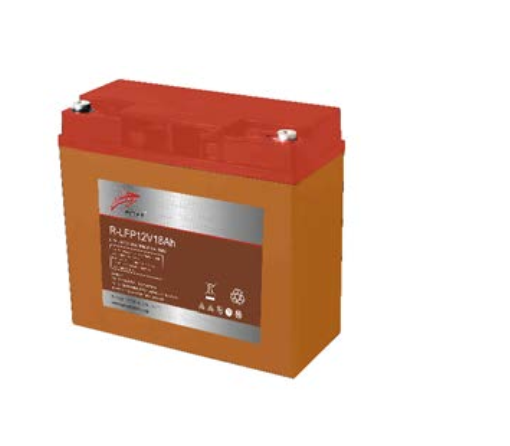




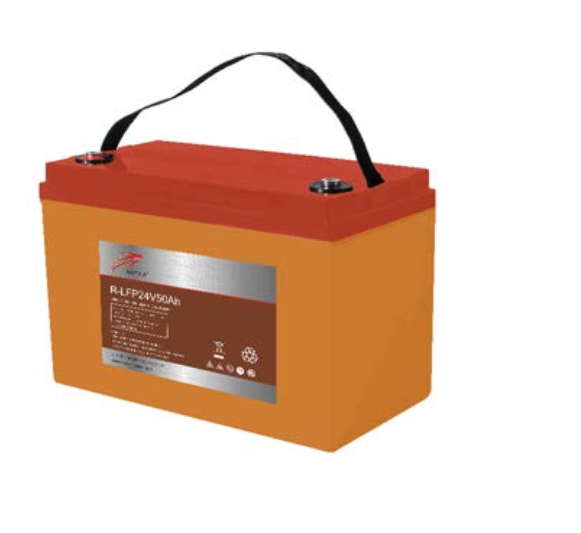
History of the origin of lithium batteries/cells
Lithium batteries first appeared in 1912 under G.N. Lewis, but it was not until the early 1970s that lithium batteries were first sold on the market (this type of battery could not be recharged at the time). Efforts to develop rechargeable lithium batteries were made after the 1980s but were unsuccessful due to the instability of the lithium metal used as the positive electrode material.
Lithium is the lightest of all metals, has the greatest electrochemical potential, and provides the largest specific energy per given weight. Rechargeable batteries with lithium metal on the anode can provide extremely high energy density; however, in the mid-1980s it was discovered that unwanted dendrites formed on the anode after each charge cycle. These growths penetrated the separator and caused an electrical short. The cell temperature would rise rapidly and melt the lithium contacts, causing thermal runaway, also known as “venting with flame”. A large number of rechargeable lithium battery cells shipped to Japan were recalled in 1991 after incidents of fire and venting that burned a man's face.
The inherent instability of lithium metal, especially during charging, prompted experts to shift their research toward a non-metallic solution: using lithium ions. In 1991, Sony commercialized the first lithium-ion battery, which has since become the fastest-growing and most promising type of storage battery on the technology market. Although its specific energy is lower than that of lithium metal batteries, Li-ion is much safer.
Improvements in active materials and electrolyte have increased energy density. Good load characteristics and a flat discharge curve provide efficient use of the energy stored within a flat voltage range.
In 1994, the cost to produce a Li-ion 18650 cylindrical cell was over 10 US dollars, with a capacity of 1,100mAh. In 2001, the price dropped to just 3 dollars while the capacity improved to 1,900mAh. Today, this dense 18650 cell delivers over 3,000mAh, and the cost keeps decreasing year after year. The declining production cost, increased specific energy storage capability, and absence of hazardous materials have made Li-ion a battery type widely recognized worldwide for mobile applications, heavy industry, solar power systems, satellites…
Lithium-ion is a low-maintenance battery, an advantage that most other technologies cannot match. Lithium-ion batteries/cells should not be overcharged and do not need a “clean” discharge to keep them in good condition. Lithium-ion's deep discharge capability is less than half that of nickel-based types, which is significant and directly affects the exceptionally superior lifespan of Li-ion.
Types of lithium-ion batteries
Lithium-ion uses a cathode, an anode, and an electrolyte as the conductor. The cathode is a metal oxide and the anode is porous carbon. During discharge, ions flow from the anode to the cathode through the electrolyte and separator; during charging, the current reverses direction and ions flow from the cathode to the anode.
There are many types of Li-ion storage batteries, but they all share one common feature: the use of lithium-ion technology. Although they look very similar at first glance, they differ in performance, choice of construction materials, and unique features.
Since 1997, most manufacturers have switched to using graphite to further optimize batteries. Graphite is a form of carbon with long-term cycle stability (also commonly used in pencils). It is the most common carbon material, followed by hard carbon and soft carbon. Carbon nanotubes have not yet been commercially applied to Li-ion batteries because they are quite tangled and affect performance. A future material that promises to enhance Li-ion performance is graphene.
A number of additives, including silicon-based alloys, have been tested to enhance the performance of graphite anodes. It takes 6 carbon atoms to bond with a single lithium ion, whereas one silicon atom can bond with 4 lithium ions. This means that, theoretically, a silicon anode could store more than 20 times the energy of graphite, but anode expansion during charging is an issue that needs to be considered. Therefore, a pure silicon anode is not very practical, but adding just about 3–5% silicon to the anode can achieve a good service life.
The use of nanostructured lithium-titanate as a positive electrode additive shows very promising cycle life, good load capacity, low-temperature performance, and superior safety, but low specific energy and high production costs.
Experimenting with cathode and anode materials allows manufacturers to enhance intrinsic quality, but some of these enhancements may affect other aspects.
Manufacturers can relatively easily achieve high specific energy and low cost by substituting nickel for the more expensive cobalt, but this makes the cell less stable. Reputable manufacturers usually place a high priority on the safety and lifespan of the battery.
Most Li-ion batteries share a common design consisting of a metal oxide cathode coated onto an aluminum strip, an anode made of carbon/graphite coated onto a copper strip, a separator, and an electrolyte made of lithium salt in an organic solvent.